
A Framework from Ancient Chinese Wisdom.
You Heard Them... But Were You Actually Listening?
Do the people most important to you feel heard?
The Chinese word TING (聽) - "to listen" - contains six pictographs.
Each one is a dimension of attention that most of us are missing.
Together, they reveal why even well-meaning, intelligent, caring people leave the ones they love feeling unheard.
Most of us believe we're good listeners. We're not.
Research suggests we retain about 25% of what we hear. But the problem isn't retention. It's attention. Specifically: where our attention actually goes during a conversation - and what we're missing while we think we're listening.
The words are the smallest part of what someone is trying to tell you. The tone, the hesitation, the thing they almost said, the body language that contradicts the smile - these are the signals that carry the real message. And they're passing through the room unnoticed.
You can hear every word someone says and still leave them feeling completely unheard.
If you've ever walked out of a conversation and sensed that something important happened that you didn't quite catch - TING is why. And TING is the solution.
One word that changes everything.
In Chinese, the word to listen - 聽, pronounced TING - is made up of six pictographs.
Not one. Six.
Each carries its own meaning. Together, they form the most precise definition of listening that any language has ever produced.
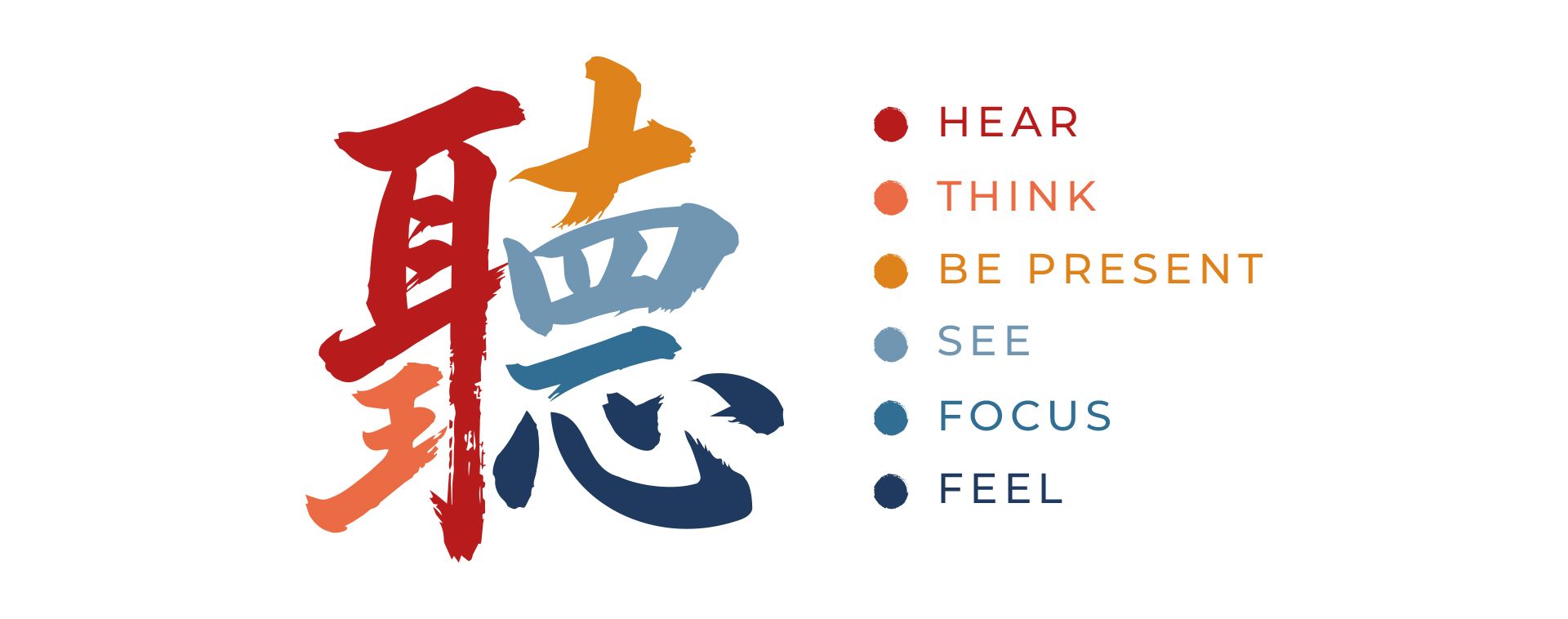
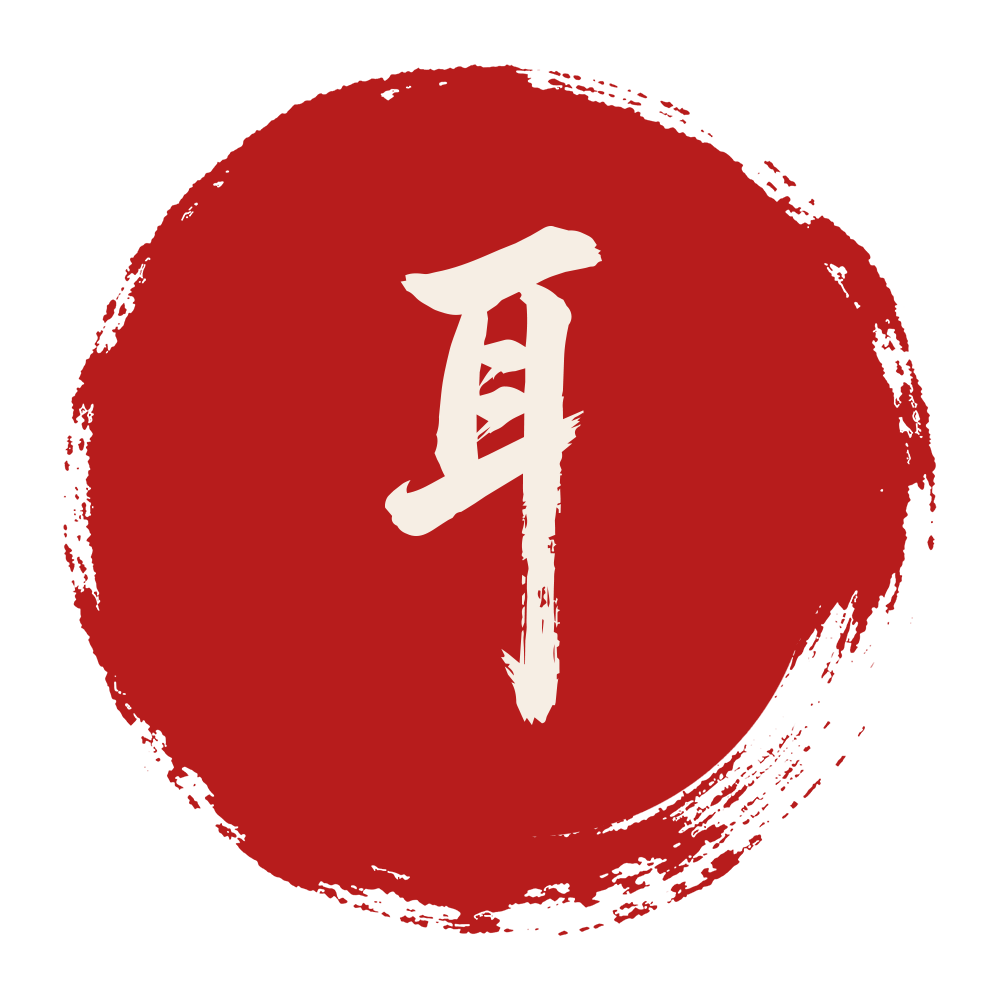
HEAR
Not just the words - the tone, the pace, the hesitation, the vocal shift that tells you something just changed. Hearing is where listening begins, but it's rarely where most people's attention actually lives.
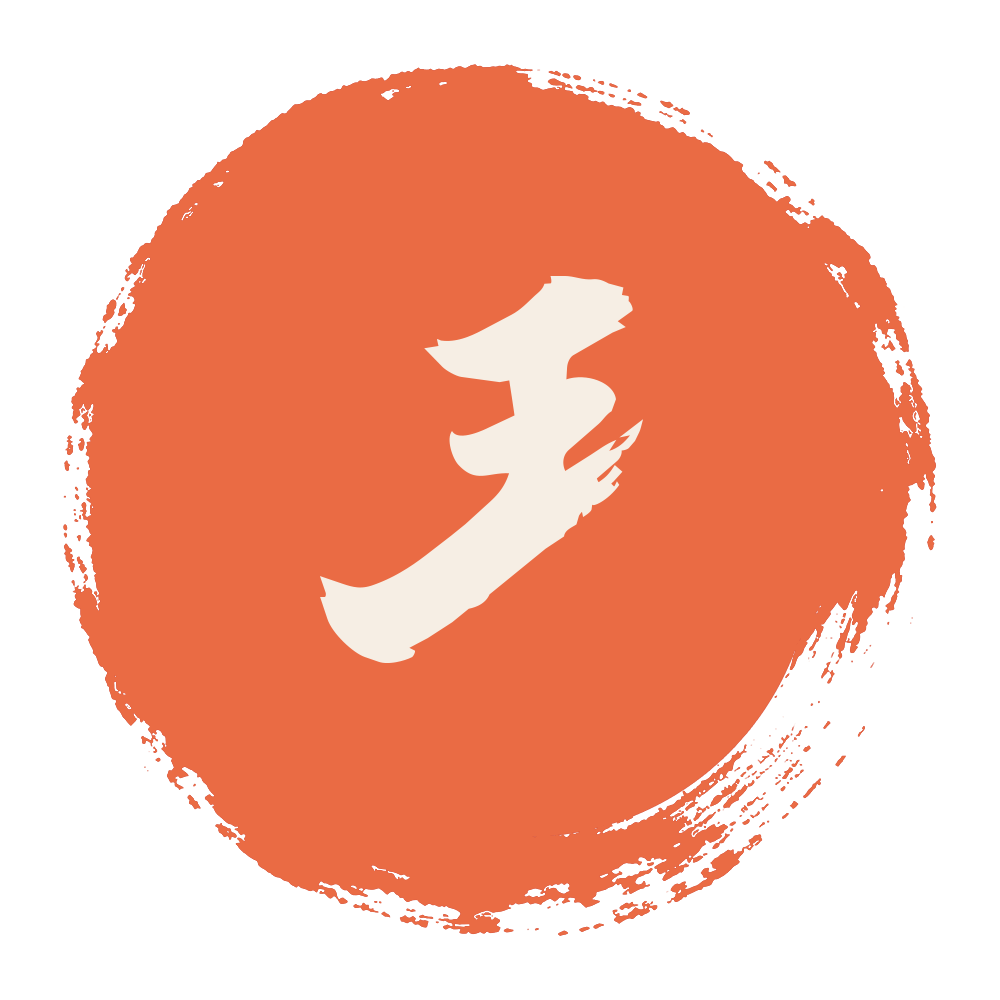
THINK
Are you thinking about what they're saying - or prepping your response? Reflective listening means processing what's in front of you, not preparing what comes next. Also what's NOT being said?

BE PRESENT
They know - on some level - whether you're fully there. Deep rapport is impossible without it. Presence isn't just courtesy; it's the prerequisite for everything else on this list.

SEE
It's not enough for you to see. They need to feel seen. Body language, microexpressions, gaze, stance - these are the signals that precede the words and outlast them.

FOCUS
Where are you placing your attention? Enter their world. See what they're seeing. Imagine what they're imagining. Attend to what they're attending to.
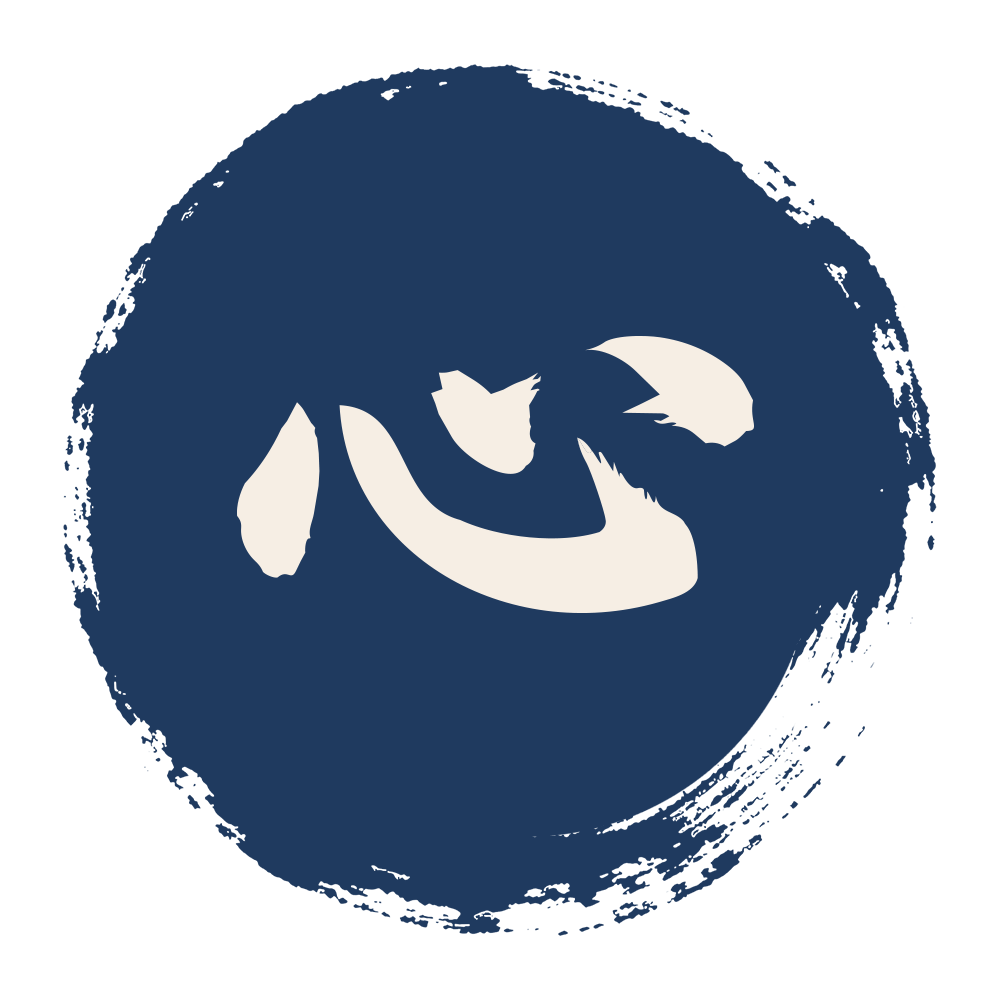
FEEL
Too often we're focused on our content. Weoften don't allow ourselves to experience the context. Our emotions, their emotions and what it might mean.
I'm Dr. Tori — physician, hypnotherapist, and someone who has spent a career studying what actually happens between people in conversation.
I first encountered the TING framework from one of my hypnosis teachers, Ron Klein, in the early 2000s. I've since taught it in medical education, leadership training, corporate workshops, and keynote addresses — to parents, physicians, executives, and everyone in between.
Every time I share TING, something shifts in the room. Not because it's clever. Because it's true. People recognize themselves in it — both the listening they've been doing, and the listening they're capable of.
My mission is to help people who do good in the world get better at influence, communication, and connection. TING is where that mission starts.
Find out where your
listening breaks down.
The TING Assessment scores you on all six dimensions - and gives you a personalized roadmap for the one that's costing you the most in your relationships, your leadership, and your conversations.
Take the Free Assessment →
18 questions. ~2.6 minutes. Your personalized TING score delivered instantly.
Hear the full TING.
In 12 minutes, Dr. Tori walks you through the origin of the TING framework, what each pictograph actually means, and how this single word from ancient Chinese can change the way every person in your life experiences talking to you.
Want more? Subscribe to Influence Every Day - the podcast for people serious about communication, connection, and behavior change.